
In short
Forging shapes metal under pressure and aligns its grain along the part, which generally gives better strength, toughness and fatigue resistance than a casting of the same size. Casting suits complex shapes and low loads. See our forgings.
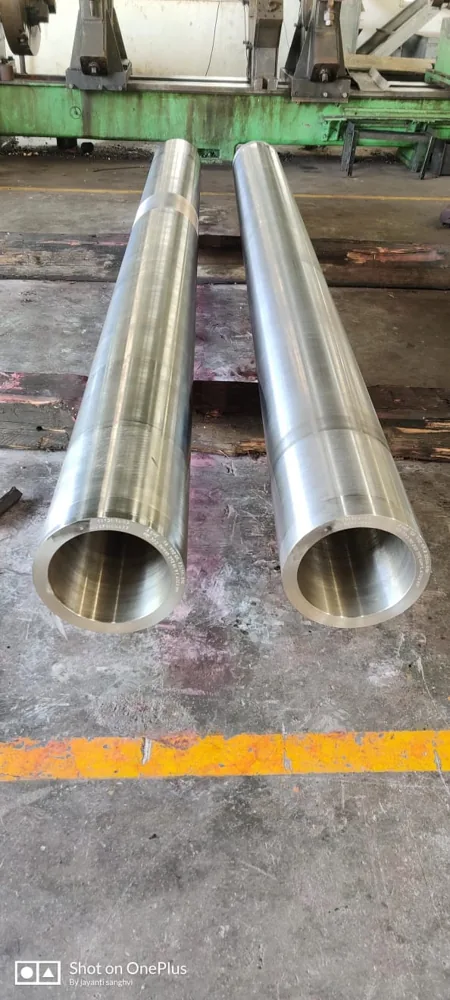 Forged pipes
Forged vs cast
| Forged | Cast | |
|---|---|---|
| Strength and toughness | Generally higher | Generally lower |
| Fatigue resistance | Generally better | Depends on casting quality |
| Internal defects | Fewer voids and porosity | Porosity and shrinkage can occur |
| Complex shapes | More limited | Very flexible |
| Cost | Often higher per part | Often lower, especially for complex parts |
General comparison. Results depend on the material, process and inspection.
When to choose forged
- The part carries load, pressure or repeated stress.
- Failure would be costly or unsafe, as in pressure piping, flanges and shafts.
- The specification asks for forged material.
When cast may do
- The shape is complex or has internal passages.
- Loads are low and cost is the priority.
Need forgings?
Asaus Technologies supplies forged pipes, plates and components to your drawing. Request a quote.