
In short
Tungsten is about 70% denser than lead and roughly 2.5 times denser than steel, so the same weight takes much less space. Lead is cheap but restricted in many uses, and steel is cheap but bulky. Choose tungsten when space is tight or lead is not allowed.
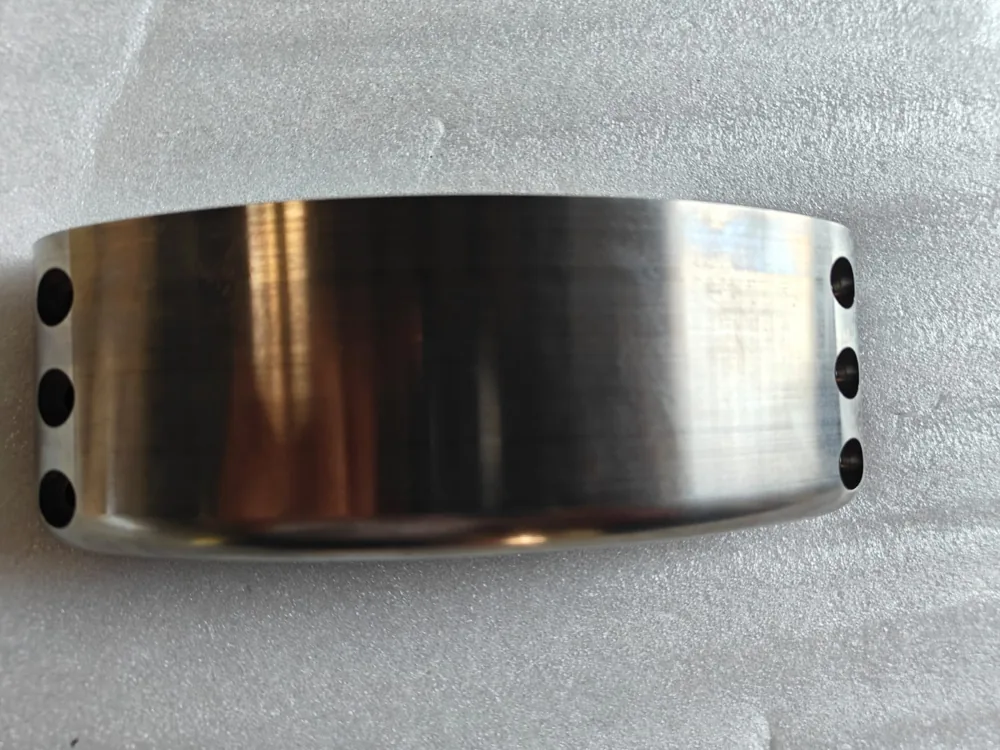 Tungsten ballast piece
The three materials
| Steel | Lead | Tungsten | |
|---|---|---|---|
| Density (g/cm³, approx.) | 7.85 | 11.3 | 19.25 (pure), 17 to 18.5 (heavy alloy) |
| Size for the same weight | Largest | Medium | Smallest |
| Toxicity and restrictions | None | Restricted in many applications | Lead-free option |
| Cost per kg | Lowest | Low | Highest |
| Machining | Easy | Easy, soft | Harder, needs suitable tooling |
Typical published values. Heavy alloy density depends on the grade; confirm against your specification.
When tungsten makes sense
- There is very little room for the weight, for example in a rotating part or a compact housing.
- Lead is restricted or undesirable for safety, environmental or customer reasons.
- You need to concentrate mass at a precise point to balance a part.
When steel or lead may be enough
- Space is not limited and a larger weight is acceptable.
- Cost matters more than size and the material rules allow it.
Common names
Ballast, counterweight and balancing weight are used for the same kind of part: a dense weight added to balance or stabilise something. This is different from the electrical ballast used in lamps.
Need tungsten speciality parts?
Asaus Technologies supplies tungsten ballast and counterweights from Vadodara across India. Send your drawing, target weight and quantity. Request a quote.