
In short
Tungsten melts higher (about 3,422 °C against 2,623 °C) and is almost twice as dense. Molybdenum is lighter, easier to work and usually costs less, so it is the usual choice unless the temperature or weight requires tungsten.
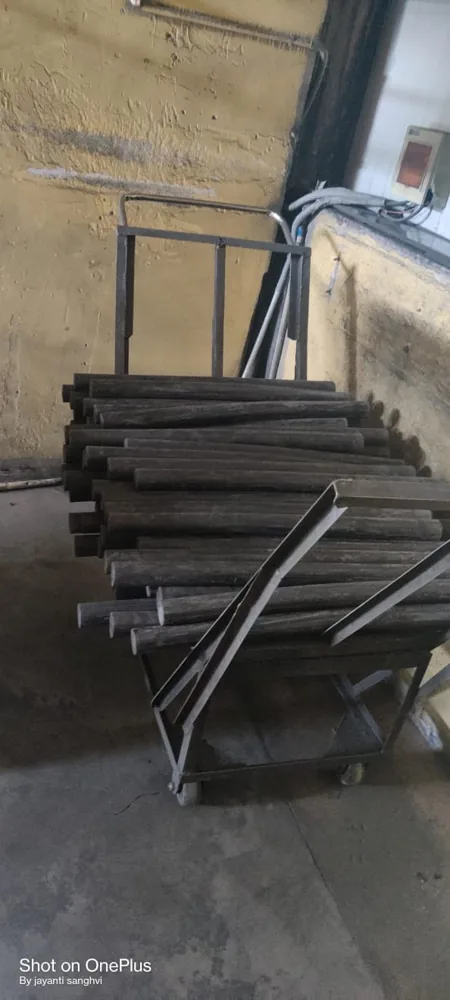 Molybdenum metal
Side by side
| Molybdenum | Tungsten | |
|---|---|---|
| Melting point | about 2,623 °C | about 3,422 °C |
| Density | about 10.2 g/cm³ | about 19.25 g/cm³ |
| Workability | Easier to form and machine | Harder and more brittle |
| Cost | Generally lower | Generally higher |
| Oxidation in air when hot | Oxidises, use vacuum, hydrogen or inert gas | Oxidises, same precaution |
Typical published values. Check them against your specification.
How to choose
- Temperature. Above roughly 2,000 °C in a furnace, tungsten is often preferred. Below that, molybdenum is usually enough.
- Weight. If you need high mass in a small space, for example a counterweight, tungsten is the one. See tungsten ballast.
- Shape and cost. Complex shapes and tight budgets favour molybdenum.
If unsure, describe the application and temperature and we will help you choose.
Need molybdenum?
Asaus Technologies supplies both molybdenum and tungsten parts. Request a quote.