
In short
Austenitic stainless forgings are usually solution annealed: heated to roughly 1,000 to 1,100 °C and cooled quickly. This restores corrosion resistance and softens the metal after forging.
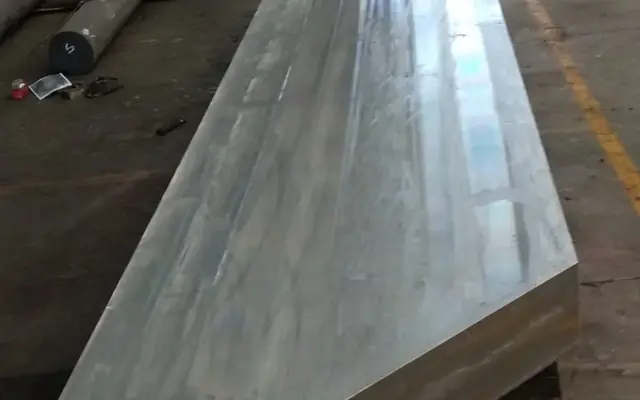
What it does
- Dissolves harmful carbides so corrosion resistance returns
- Relieves stresses from forging
- Gives uniform, predictable properties
What to check
The material certificate should state the heat treatment, together with chemical analysis and mechanical test results. Austenitic stainless cannot be hardened by heat treatment, so strength comes from the grade and the forging.
Related guides
- Forged vs cast components: Forged and cast parts compared on strength, fatigue, defects, shape freedom and cost, and when to choose each for load-bearing…
- How to order forgings: What a supplier needs to quote a forging: drawing, material grade, heat treatment, testing, certificates and quantity, so your…
- What is stainless steel forging?: Stainless steel forging shapes hot metal under compressive force for a dense, strong part. Learn how it works, where it is…
- Stainless steel grades for forgings: Common stainless steel grades for forgings: 304, 304L, 316, 316L, 321 and 347. What each offers and how to choose between them…
What to send us
- Drawing or specification
- Material grade or standard
- Quantity and delivery timeline
- Testing and certification needed
About forgings from Asaus Technologies
Asaus Technologies is an independent supplier based in Vadodara, Gujarat, and supplies forgings across India. Forged pipes, flanges and components to your drawing and specification. See the forgings page.
Need forgings?
Ask for the certificate you need when you request a quote. Request a quote.