
Stainless steel forging shapes heated stainless steel by pressing or hammering it, instead of pouring it into a mould. The metal ends up dense, with grain flowing along the shape of the part.
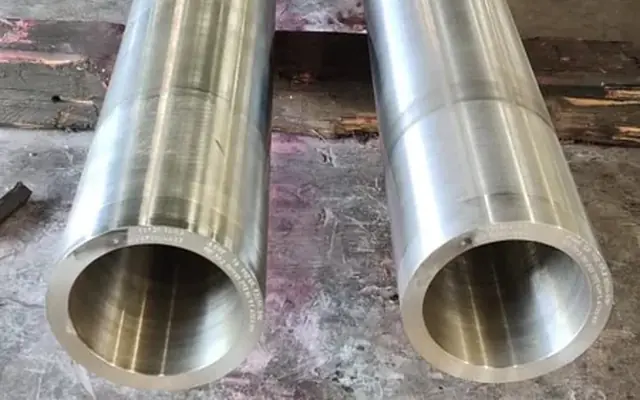
How it works
A billet or ingot is heated well above 1,000 °C, shaped between dies by a press or hammer, then heat treated and machined to size. The pressing closes internal voids and refines the grain.
Where it is used
- Flanges, valve bodies and pipe fittings
- Shafts, rings and discs
- Parts for pumps, power plants and process plant
Forged or cast?
Forgings are usually chosen where strength, toughness and pressure tightness matter most. Read forged vs cast components for a fuller comparison.
Related guides
- Forged vs cast components: Forged and cast parts compared on strength, fatigue, defects, shape freedom and cost, and when to choose each for load-bearing…
- How to order forgings: What a supplier needs to quote a forging: drawing, material grade, heat treatment, testing, certificates and quantity, so your…
- Stainless steel grades for forgings: Common stainless steel grades for forgings: 304, 304L, 316, 316L, 321 and 347. What each offers and how to choose between them…
- Heat treatment of stainless steel forgings: Why austenitic stainless steel forgings are solution annealed after forging, what the process does and what to look for on the…
What to send us
- Drawing or specification
- Material grade or standard
- Quantity and delivery timeline
- Testing and certification needed
About forgings from Asaus Technologies
Asaus Technologies is an independent supplier based in Vadodara, Gujarat, and supplies forgings across India. Forged pipes, flanges and components to your drawing and specification. See the forgings page.
Need forgings?
Send us the drawing, grade and quantity for your forged part. Request a quote.