
In short
In open die forging the heated metal is pressed or hammered between dies that do not fully enclose it. The operator turns and moves the workpiece to reach the final shape.
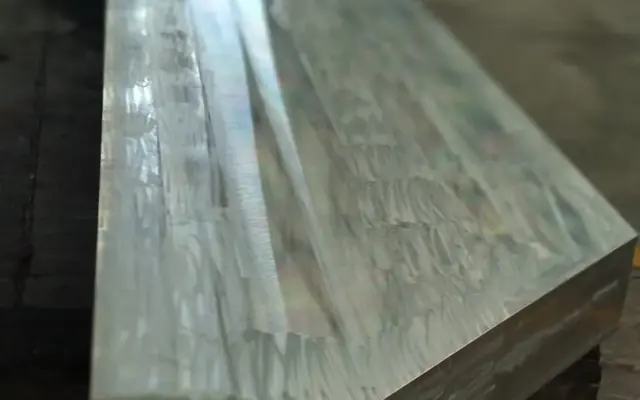
How it works
A heated billet sits on a lower die while the upper die presses down in repeated strokes. Because the metal can flow freely, large and simple shapes are possible and tooling cost is low.
Limits
- Shapes stay fairly simple
- More machining is needed afterwards
- Tolerances are looser than closed die forging
Related guides
- Forged vs cast components: Forged and cast parts compared on strength, fatigue, defects, shape freedom and cost, and when to choose each for load-bearing…
- How to order forgings: What a supplier needs to quote a forging: drawing, material grade, heat treatment, testing, certificates and quantity, so your…
- What is stainless steel forging?: Stainless steel forging shapes hot metal under compressive force for a dense, strong part. Learn how it works, where it is…
- Stainless steel grades for forgings: Common stainless steel grades for forgings: 304, 304L, 316, 316L, 321 and 347. What each offers and how to choose between them…
What to send us
- Drawing or specification
- Material grade or standard
- Quantity and delivery timeline
- Testing and certification needed
About forgings from Asaus Technologies
Asaus Technologies is an independent supplier based in Vadodara, Gujarat, and supplies forgings across India. Forged pipes, flanges and components to your drawing and specification. See the forgings page.
Need forgings?
Send us your drawing so we can discuss what is suitable. Request a quote.